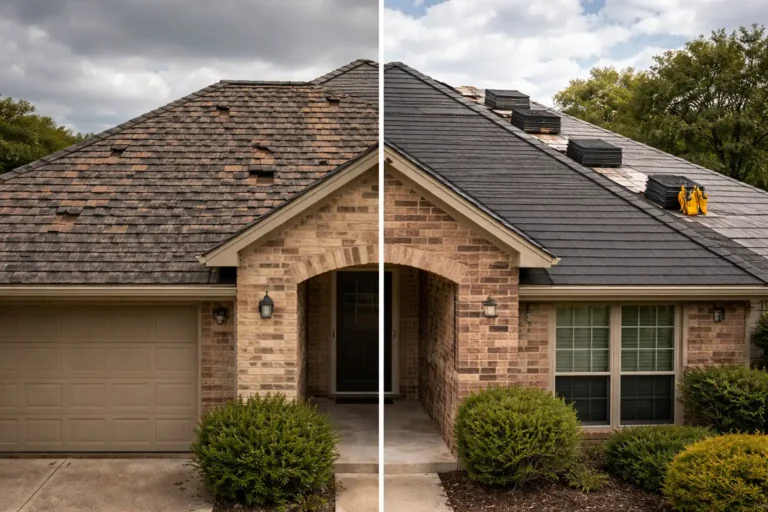
What Is Bad Faith Insurance in Texas? Your Rights as a Policyholder
Most Texas policyholders never hear the term “bad faith” until something goes wrong with a claim. Then it comes up fast. A claim gets denied. A check arrives late. The adjuster stops responding. You wonder if the insurance company is playing by the rules.
So what does bad faith actually mean under Texas law? And what can you do about it?
This post answers both questions. It covers the specific Texas statutes that apply, the conduct they prohibit, and the options available to policyholders. However, this is educational content only — not legal advice. For a specific dispute, consult a licensed attorney.
What “Bad Faith” Means in an Insurance Context
Bad faith is a legal concept. In insurance, it refers to conduct by an insurer that violates its duty to deal fairly with policyholders.
In Texas, that duty is not just a general principle. It is codified in the Texas Insurance Code. Two chapters are especially relevant: Chapter 541 and Chapter 542. Together, they define what insurers must do and what they cannot do when handling claims.
In other words, bad faith in Texas has a statutory definition — not just a common-law one. This matters because it gives policyholders specific, enforceable rights.
Texas Insurance Code Chapter 541: Unfair Settlement Practices
Chapter 541 prohibits specific unfair and deceptive acts by insurers. These are not vague standards. The statute lists the prohibited conduct in detail.
Common violations under Chapter 541 include the following:
- Misrepresenting a policy provision — telling a policyholder their claim is not covered when it is
- Failing to acknowledge a claim promptly — ignoring communications after a claim is filed
- Refusing to pay without a reasonable investigation — denying claims without reviewing the facts
- Failing to attempt a fair settlement — offering an unreasonably low amount when liability is clear
- Compelling a policyholder to file suit — making litigation the only way to get a fair payout
In addition, Chapter 541 covers deceptive practices more broadly. For example, an insurer cannot misrepresent the terms of a policy during the claims process. It also cannot use false statements to influence a settlement.
The Texas Insurance Code Chapter 541 is published online and lists each prohibited act. If you believe an insurer has acted unfairly, this is the statute to review — or share with an attorney.
Texas Insurance Code Chapter 542: Prompt Payment Requirements
Chapter 542 sets strict deadlines for how quickly an insurer must act on a claim. These are not suggestions. They are legally required timelines.
Most Texas policyholders know this as the 15-15-5 rule. Here is what it requires:
- 15 days — the insurer must acknowledge receipt of your claim within 15 days of receiving it
- 15 business days — after receiving all information it requested, the insurer must accept or deny the claim within 15 business days
- 5 business days — after accepting a claim, the insurer must pay within 5 business days
The insurer can request one 15-day extension. However, it must notify you in writing and explain the reason. An extension without notice does not comply with the statute.
For a full breakdown of these deadlines, see our post on how long an insurance company has to respond in Texas.
If an insurer violates Chapter 542 deadlines without justification, it may owe 18% annual interest on the unpaid amount — plus reasonable attorney fees. These are statutory penalties, not discretionary ones.
What Counts as a Bad Faith Claim in Texas
Not every claim dispute is bad faith. A disagreement over value is not bad faith by itself. A denial is not bad faith just because you disagree with it.
Bad faith requires conduct that goes beyond a reasonable coverage decision. Texas courts have generally held that bad faith exists when an insurer denies or delays a claim with no reasonable basis and with knowledge of that fact.
So, for example, the following conduct can support a bad faith claim:
- Denying a claim based on a misrepresentation of the policy
- Ignoring evidence of a covered loss during the investigation
- Failing to conduct any real investigation before denying
- Delaying payment beyond statutory deadlines without written justification
- Offering a settlement that is clearly inadequate without any supporting basis
However, a legitimate coverage dispute — where the insurer has a reasonable basis for its position — does not automatically become bad faith. The standard is whether the insurer acted reasonably, not whether you agree with the outcome.
If you believe your claim was handled improperly, consult a licensed Texas attorney. They can evaluate whether the conduct rises to the level of a statutory or common-law bad faith claim.
Your Rights as a Texas Policyholder
Texas law gives policyholders several tools to respond when an insurer does not follow the rules.
File a complaint with TDI. The Texas Department of Insurance accepts complaints about claims handling at tdi.texas.gov. TDI has authority to investigate and sanction insurers for violations of the Texas Insurance Code. Filing a complaint is free and does not require an attorney.
Request a written explanation. Under Texas law, if an insurer denies your claim, it must provide the reason in writing. Ask for it. The written denial is also important documentation if you pursue further action.
Use the appraisal clause. Most Texas homeowners policies include an appraisal clause. This allows each side to select an independent appraiser. A neutral umpire then resolves the disagreement. Appraisal addresses the amount of a loss — not coverage disputes — but it can resolve underpayment disputes without litigation.
Consult an attorney. If you believe your insurer violated Chapter 541 or Chapter 542, an attorney can evaluate your options. Claims under these statutes can include the original claim amount, statutory interest, and attorney fees in some cases.
For broader context on ACV vs. replacement cost disputes — which are a frequent source of underpayment claims — see our post on ACV vs. replacement cost on Texas hail claims.
What Bad Faith Does Not Cover
Understanding the limits of bad faith law is also important. Not every frustrating claim experience is legally actionable.
Texas courts have held that an insurer can deny a claim and still act in good faith — as long as the denial is based on a reasonable interpretation of the policy and the facts. A slow investigation is not automatically bad faith if the insurer had a legitimate reason for the delay. A low settlement offer is not automatically bad faith if the insurer had a reasonable basis for its valuation.
In addition, bad faith claims in Texas require a timely filing. The statute of limitations matters. An attorney can advise on the specific deadlines that apply to your situation.
Also, bad faith law does not apply to first-party property claims in the same way it applies to liability claims. The statutes are specific. The facts matter. This is why consulting an attorney is important before assuming a bad faith claim exists.
The 2% Hail Deductible Connection
Bad faith and deductible disputes often intersect in Texas. Many policyholders believe their insurer acted in bad faith because the claim check was smaller than expected. However, in many cases, the real issue is the deductible — not bad faith conduct.
For example, a 2% hail deductible on a $400,000 home is $8,000. If the adjuster values damage at $10,000, the insurer pays only $2,000. That may feel wrong. But if the adjuster’s valuation was accurate and the deductible was disclosed in the policy, that is not bad faith.
However, if the adjuster undervalued the damage without a reasonable basis, that is a different question. Understanding the difference is important before taking any action.
For a clear explanation of how the 2% deductible works, see our post on what a 2% hail deductible means in Texas.
Frequently Asked Questions
What is bad faith insurance in Texas?
Bad faith insurance in Texas refers to conduct by an insurer that violates its statutory or common-law duty to deal fairly with policyholders. Texas Insurance Code Chapter 541 defines specific unfair settlement practices. Chapter 542 sets deadlines for claim acknowledgment, acceptance, and payment. Violations of either chapter can give a policyholder the right to additional remedies beyond the original claim amount.
What is Texas Insurance Code Chapter 541?
Chapter 541 prohibits unfair and deceptive acts in the insurance business. It covers specific conduct during the claims process, including misrepresenting policy terms, failing to investigate claims, refusing to settle when liability is clear, and compelling policyholders to sue to get fair payment. The full text of Texas Insurance Code Chapter 541 is available online.
What penalties apply if an insurer violates Chapter 542?
If an insurer violates the prompt payment deadlines in Chapter 542, it may owe 18% annual interest on the unpaid claim amount. In addition, the insurer may owe reasonable attorney fees. These are statutory remedies. They apply automatically when the insurer fails to meet the required timelines without a justified reason. Consult an attorney to evaluate whether these penalties apply to your situation.
How do I file a bad faith complaint in Texas?
You can file a complaint directly with the Texas Department of Insurance at tdi.texas.gov. The process is free and does not require an attorney. TDI can investigate claims handling violations and take regulatory action against insurers. Filing a complaint with TDI does not prevent you from also consulting an attorney about a private legal claim.
Is a low settlement offer the same as bad faith?
Not necessarily. A low offer is not bad faith by itself. Bad faith requires that the insurer had no reasonable basis for its position and knew it. If the insurer conducted a real investigation, reviewed the facts, and made a reasonable coverage decision — even one you disagree with — that may not meet the legal standard for bad faith. However, if the insurer offered a clearly inadequate amount without any supporting basis, that is worth reviewing with an attorney.
What is the difference between Chapter 541 and Chapter 542?
Chapter 541 covers unfair and deceptive conduct during the claims and settlement process — misrepresentations, failure to investigate, failure to settle fairly. Chapter 542 covers timing — how quickly an insurer must acknowledge, accept or deny, and pay a claim. Both chapters give policyholders specific statutory rights. A violation of either can support a claim for additional remedies beyond the original policy amount.
Involved in an insurance dispute that may require expert testimony?
David Offutt provides independent expert witness services for Texas attorneys handling insurance claims, coverage disputes, and bad faith cases. He is a 20-year licensed Texas agent with an MS in Economics and the published author of Understanding Insurance in Simple English.
Learn more at texasinsuranceexpertwitness.com
This post is for informational purposes only and does not constitute legal or financial advice. Policy terms vary. Always review your specific policy documents or consult a licensed agent or attorney.